



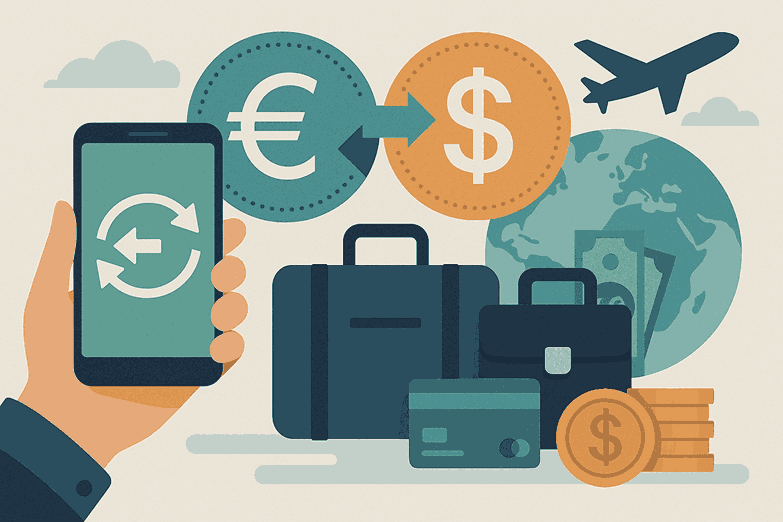
Traveling the world is an enriching experience, but the hidden costs of currency exchange can quickly eat into your budget. Whether you’re a first-time traveler or a seasoned globetrotter, managing your money wisely abroad is crucial. In this guide, we’ll explore smart currency exchange tips to help you keep more of your hard-earned money while enjoying your journey.
From choosing the right exchange methods to understanding foreign transaction fees and using travel-friendly tools like eSIMs and digital wallets, this blog will cover everything you need to know about minimizing overseas spending. Let’s dive in!
Understand the Real Exchange Rate
Before exchanging currency, it’s essential to know the mid-market rate—also known as the real exchange rate. This is the rate you see on Google or XE.com and represents the midpoint between buy and sell rates of two currencies.
Tip: Never assume the rate offered at a currency exchange kiosk is fair. They often mark up the rate to make a profit. Always check the real rate first to compare.
Avoid Airport and Hotel Exchange Counters
Airport kiosks and hotel exchange services are notoriously expensive. They charge high fees and offer poor exchange rates.
Better alternatives:
- Use local ATMs
- Exchange small amounts just for initial expenses
- Plan ahead and get some local currency before you travel
Use a Multi-Currency Travel Card
Prepaid travel cards or multi-currency cards like Revolut, Wise, or N26 allow you to load multiple currencies at near-market rates. They usually have lower fees than traditional banks.
Benefits:
- Lock in favorable rates
- Avoid foreign transaction fees
- Better spending control
Don’t Exchange Too Much Cash in Advance
Exchanging too much cash before your trip could mean missing out on better rates abroad. Plus, carrying large amounts of cash poses security risks.
Tip: Only exchange what you need for immediate expenses like transport from the airport or a meal. Use cards or ATMs for the rest.
Withdraw Cash from Local ATMs Wisely
ATMs often offer better rates than currency exchange booths, but watch out for foreign ATM fees and bank charges.
Smart practices:
- Withdraw larger amounts less frequently to reduce fees
- Use partner bank ATMs (many banks waive fees with international partners)
- Opt to be charged in local currency (never your home currency)
Say No to DCC (Dynamic Currency Conversion)
When using your card abroad, some merchants will offer to charge you in your home currency. This is called Dynamic Currency Conversion (DCC), and it almost always comes with bad exchange rates and extra fees.
Always choose to be charged in the local currency to avoid unnecessary charges.
Use Mobile Banking and Budgeting Apps
Stay on top of your spending with mobile banking and budgeting apps. Many travel-friendly banks provide real-time notifications and easy currency conversion.
Top apps for travelers:
- Wise (formerly TransferWise)
- Revolut
- Monzo
- N26
- XE Currency Converter
eSIMs: Stay Connected and Monitor Rates
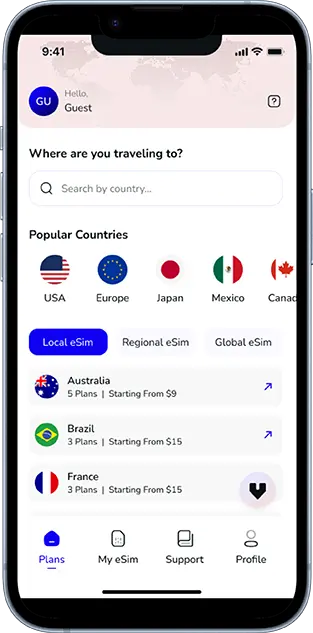
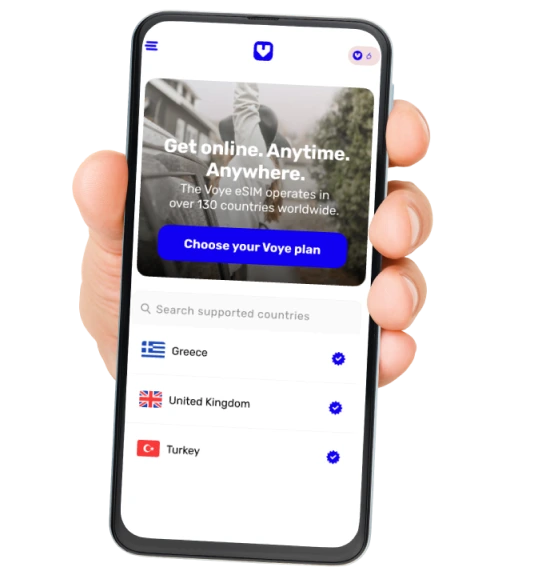
Using a Voye Global eSIM while traveling ensures you’re connected anywhere without roaming fees. This is especially useful for checking currency rates, mobile banking, and tracking expenses in real-time.
Why use a Voye Global eSIM?
- Instant internet access in over 130+ countries
- Affordable data without physical SIM swaps
- Great for managing finances on the go
Beware of Hidden Credit Card Fees
Many credit and debit cards charge foreign transaction fees, often around 3%. Over the course of a trip, these can add up significantly.
Look for cards with:
- No foreign transaction fees
- Travel rewards or cashback
- Complimentary travel insurance
Examples include:
- Chase Sapphire Preferred
- Capital One Venture
- American Express Platinum (note: limited global acceptance)
Your Journey, Our eSIM
Stay online abroad with instant activation.
Consider Using Cryptocurrency (Where Accepted)
In some destinations and online bookings, cryptocurrency can offer an alternative payment method with minimal fees.
Caution: Crypto values fluctuate. Only use this method if you understand the risks and it’s accepted by the vendor.
Know When to Exchange Money
Currency values fluctuate daily. Watch the market a few weeks before your trip. If you see a particularly favorable rate, consider locking it in with a travel card or exchanging some funds.
Use tools like:
- XE.com for rate alerts
- Google Finance to track currency movements
- Forex apps with historical trends
Avoid Traveler’s Checks
While once popular, traveler’s checks are now outdated and often difficult to cash abroad. They come with fees and limited acceptance.
Stick with cards and digital solutions for a smoother experience.Bring a Backup Payment Method
Always carry at least two different cards (preferably from different providers—e.g., Visa and Mastercard). This is a safeguard in case of:
- Card loss or theft
- ATM incompatibility
- Bank security blocks
Exchange Leftover Currency Smartly
If you have leftover cash at the end of your trip:
- Spend it at the airport on duty-free or food
- Convert it back (beware of poor rates)
- Save coins as souvenirs
- Donate to charity boxes at the airport
Some banks let you reload unused currency back onto prepaid cards.
Use Local Currency for Purchases
Even if some vendors accept your home currency, always pay in local currency to avoid inflated conversion rates. This ensures transparency and avoids hidden markups.
Check Fees for International Money Transfers
If you need to send money home or receive funds while abroad, compare providers for the best deal.
Affordable transfer services:
- Wise
- Remitly
- OFX
- WorldRemit
Avoid using banks or Western Union unless necessary—they tend to charge higher fees and less favorable rates.
Bundle Travel Services for Better Exchange Options
Some travel agencies and tour providers offer bundle deals that include favorable exchange rates on services like transport or accommodation. If trustworthy, this can save money versus converting cash independently.
Save Receipts and Monitor Charges
Keep track of your spending and monitor your account for unauthorized charges. Using mobile banking apps with instant alerts helps detect suspicious activity early.
Tip: Photograph your receipts and save them in a folder for easy access.
Use Country-Specific Payment Hacks
Some countries have unique quirks in their payment systems. Here are a few examples:
- Japan: Cash is king. Exchange or withdraw local yen.
- Sweden: Card payments are widespread—use fee-free cards.
- Argentina: Blue dollar rate offers better conversion—seek trusted vendors.
- Thailand: Many ATMs charge withdrawal fees—withdraw larger amounts less frequently.
Research local norms before traveling.
Educate Yourself on Currency Symbols and Denominations
Confusing currency symbols and similar-looking notes can lead to overpaying or losing money. Familiarize yourself with the local currency:
- Exchange rates
- Coins and bills
- Common scams (e.g., shortchanging)
Apps like GlobeTips or XE can help with tipping norms and conversions.
Final Thoughts
Being smart about currency exchange can significantly reduce your overseas spending and allow you to enjoy your trip without financial stress. From avoiding poor exchange rates to leveraging modern digital tools like eSIMs and mobile banking, these tips empower you to travel smarter and save money every step of the way.
Whether you’re backpacking through Southeast Asia, exploring Europe, or on a luxury getaway in Dubai, mastering these currency strategies will help you get the most out of your travel budget.
Travel smart, stay connected, and spend wisely.
Global Coverage, Local Rates
Experience hassle-free connectivity wherever you go.
Seamless Mobile Data Everywhere













 English