



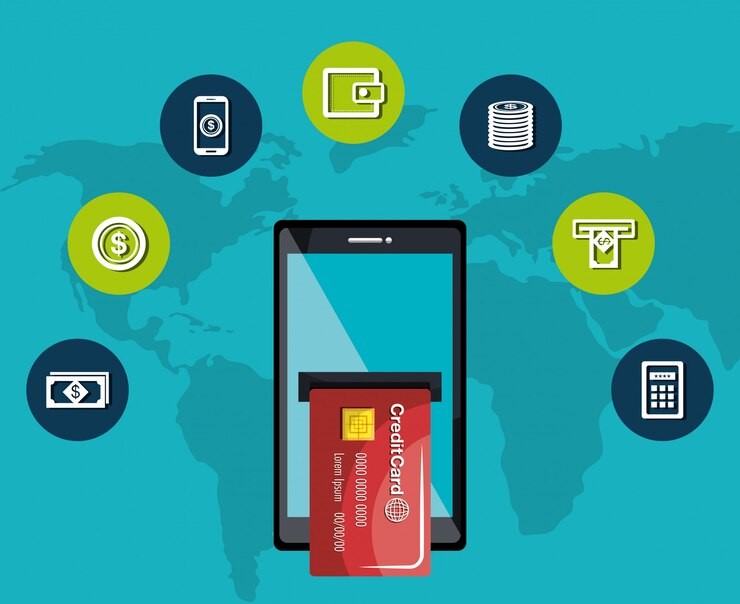
As digital transformation continues reshaping our daily activities, eSIM technology has emerged as a revolutionary way to stay connected. But is it safe for sensitive tasks like banking? This question is critical for modern users who rely heavily on mobile banking for financial transactions. In this article, we’ll explore the security features of eSIMs, their potential vulnerabilities, and tips to ensure secure usage for online banking.
What is an eSIM?
An eSIM (embedded SIM) is a digital SIM card embedded into devices, allowing users to switch between carriers without needing a physical SIM card. eSIMs are commonly used in smartphones, tablets, and even IoT devices. Unlike traditional SIM cards, eSIMs offer seamless activation, making them highly appealing for frequent travelers and tech-savvy users.
How Does eSIM Work for Banking?
Online banking apps and services require robust security mechanisms. Here’s how eSIM technology integrates with mobile banking:
- Encryption: Data sent over eSIM networks is encrypted, providing an additional layer of security for transactions.
- Authentication: eSIM devices often use advanced biometric authentication methods such as fingerprint scanners or facial recognition.
- Reduced Risk of Physical Theft: Since eSIMs are embedded within devices, they cannot be physically stolen or swapped, reducing the risk of SIM-related fraud.
Security Features of eSIM Technology
1. Enhanced Encryption
eSIMs leverage robust encryption protocols, ensuring that communication between devices and cellular networks is secure. This is crucial for banking activities that involve sensitive data.
2. Reduced Vulnerability to SIM Swapping
SIM swapping is a common technique used by cybercriminals to gain control of a user’s phone number. With eSIM, this process is more challenging, as it requires carrier authentication and cannot be performed without the user’s consent.
3. Two-Factor Authentication (2FA)
Many banking apps integrate with device-based 2FA systems, making eSIM an excellent partner for secure banking. The absence of a removable SIM card minimizes the risk of account breaches.
4. Remote Lock and Wipe
If your eSIM-enabled device is lost or stolen, you can remotely lock or wipe the device to safeguard banking details. This feature enhances the safety of eSIM for financial activities.
Why eSIM Security Matters for International Travelers
International travelers increasingly rely on eSIM technology for seamless connectivity across borders. But how safe is it for banking while on the go? Here’s why this matters:
1. Secure Banking While Traveling
Travelers often need to access online banking to manage expenses, pay bills, or transfer funds while abroad. Using eSIM-enabled devices ensures secure and encrypted communication with banking apps, even when hopping between countries.
2. Avoid SIM Swapping Scams
SIM swapping is a known risk for travelers using physical SIM cards. Cybercriminals often target tourists who may not have local support to resolve such issues. With eSIM, the risk is significantly reduced since there is no physical SIM to steal or manipulate.
3. Seamless Network Switching
eSIMs allow travelers to switch between local networks easily. This ensures uninterrupted access to online banking apps, reducing the chances of insecure connections or failed transactions.
4. Use Trusted Local Data Plans
When visiting foreign countries, travelers can activate local eSIM plans through reliable providers. These networks are often faster and more secure than public Wi-Fi, making eSIMs a safer option for conducting financial transactions.
5. Remote Lock for Lost Devices
Travelers are at a higher risk of losing their devices. With eSIM technology, the ability to remotely lock and wipe your device ensures your banking information stays safe.
Tips for International Travelers Using eSIM for Banking
- Choose Reputable eSIM Providers: Select providers known for robust security measures, like Voye Global, Ubigi, or Airalo.
- Activate VPN Services: Always use a VPN when accessing sensitive data on eSIM networks to ensure encrypted communication.
- Monitor Transactions Frequently: Traveling increases the risk of unauthorized transactions. Check your banking activity regularly.
- Avoid Public Wi-Fi: When abroad, avoid using public Wi-Fi networks for banking. Rely on your eSIM data for safer transactions.
Stay Connected, Stay Safe
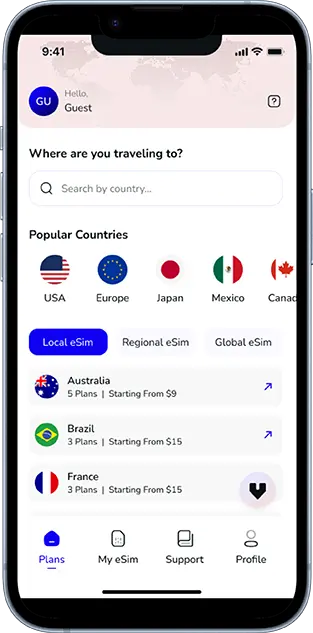
Perfect eSIM plans for secure banking while abroad.
Future of eSIM in Financial Security
The adoption of eSIM technology is expected to grow exponentially in the coming years. With advancements in AI-driven threat detection and blockchain integration, eSIM-based devices will become even more secure for banking.
Conclusion
So, is eSIM safe for banking? The answer is a resounding yes, provided you take necessary precautions and follow best practices. eSIM offers enhanced security features such as reduced risk of SIM swapping, robust encryption, and support for biometric authentication. While no technology is entirely risk-free, eSIM’s advanced features make it a strong contender for secure mobile banking.
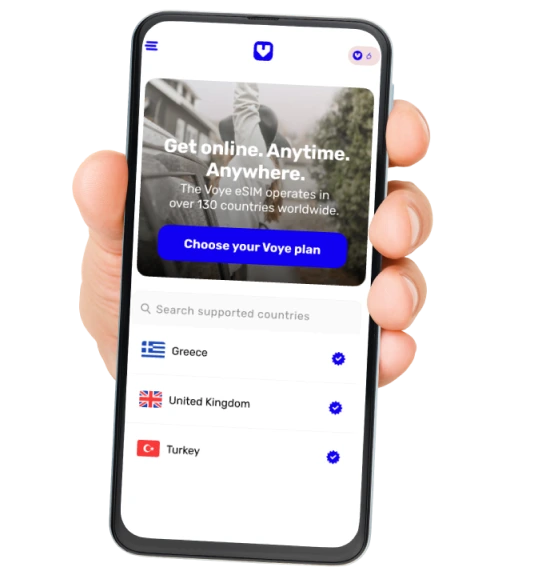
Seamless Mobile Data Everywhere













 English