



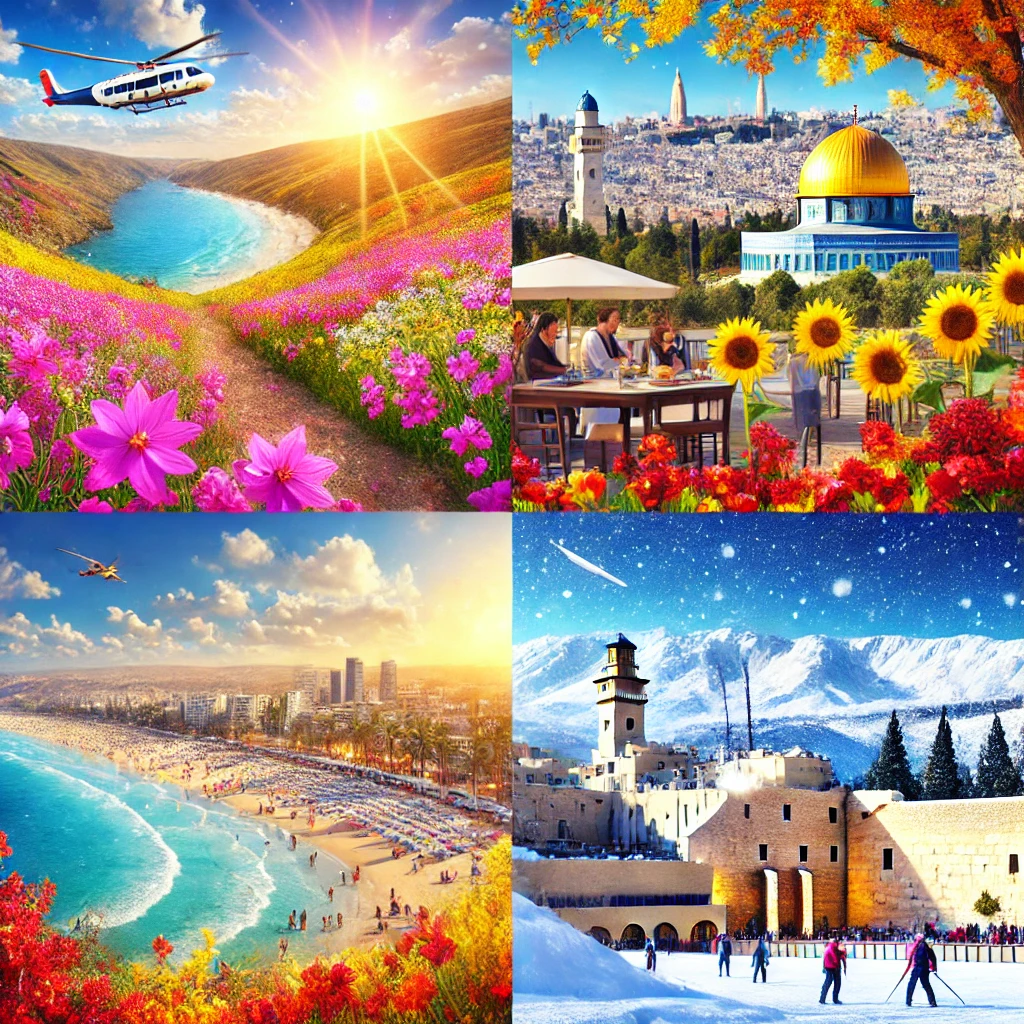
Israel is a fascinating travel destination that seamlessly blends ancient history, diverse landscapes, and modern urban life. Whether you’re drawn to the sacred sites of Jerusalem, the vibrant nightlife of Tel Aviv, or the natural wonders of the Dead Sea and Negev Desert, Israel has something to offer every traveler.
However, the best time to visit Israel depends on several factors, including weather, festivals, and the activities you wish to experience. Understanding Israel’s seasons can help you plan your trip more effectively, ensuring an enjoyable and comfortable journey.
Additionally, staying connected while traveling is crucial for navigation, communication, and keeping up with travel plans. Using an eSIM Israel ensures seamless and affordable connectivity, eliminating the hassle of physical SIM cards or expensive roaming charges.
In this guide, we’ll break down the best time to visit Israel season by season, considering climate conditions, cultural events, and travel preferences.
Season-by-Season Breakdown
Spring (March – May): The Best Time for Pleasant Weather and Festivities
Spring is one of the most ideal times to visit Israel, with mild temperatures ranging from 15°C to 25°C (59°F to 77°F). The weather is perfect for sightseeing, outdoor adventures, and enjoying the country’s diverse landscapes. Flowers bloom across the Galilee and Negev regions, making it a picturesque time for nature lovers.
Why Visit Israel in Spring?
- Comfortable Weather: Ideal for exploring historical and religious sites like Jerusalem, Masada, and the Sea of Galilee.
- Festivals & Holidays:
- Passover (Pesach): A major Jewish holiday, bringing special events and traditional meals.
- Independence Day (Yom Ha’atzmaut): Celebrated with fireworks, concerts, and street parties.
- Easter: Christian travelers can experience significant religious events in Jerusalem and Bethlehem.
- Lower Crowds: Compared to peak summer months, spring sees moderate tourist numbers.
Ideal for: Historical tourism, religious travel, and nature lovers.
Your Trip to Israel, Made Smarter
Don’t let connectivity issues slow you down. No physical SIM, no contracts—just travel smart!
Summer (June – August): Best for Beach Lovers and Festivals
Summer in Israel is hot and dry, with temperatures often exceeding 30°C (86°F) in coastal areas and soaring above 40°C (104°F) in the desert regions. If you enjoy the sun and sea, this is the perfect time to visit Israel’s Mediterranean beaches.
Why Visit Israel in the Summer?
- Beach Season: Tel Aviv’s beaches, Eilat’s Red Sea coast, and the Dead Sea offer the ultimate summer experience.
- Exciting Festivals:
- Tel Aviv Pride: One of the largest LGBTQ+ pride events in the world.
- Jerusalem Film Festival: Showcasing international and Israeli films.
- Karmiel Dance Festival: A cultural event celebrating Israeli and international dance traditions.
- Lively Nightlife: Tel Aviv’s famous nightlife scene is at its peak.
Things to Consider:
- Extreme Heat: Avoid inland desert areas like the Negev and Masada in the midday sun.
- Higher Prices: Summer is a peak tourist season, leading to higher accommodation costs.
- Crowds: Beaches and major attractions can be packed.
Ideal for: Beach vacations, nightlife, and festival-goers.
Autumn (September – November): Best for Cultural Events and Pleasant Weather
Autumn in Israel is another fantastic time to visit, with temperatures ranging from 20°C to 28°C (68°F to 82°F). The summer crowds dissipate, and the weather becomes more comfortable for exploring cities and historical sites.
Why Visit Israel in Autumn?
- Cultural & Religious Festivals:
- Rosh Hashanah & Yom Kippur: Jewish New Year and the Day of Atonement.
- Sukkot: A week-long Jewish festival with celebrations across the country.
- Great Weather: Ideal for hiking in the Galilee or visiting desert areas like Ein Gedi and Timna Park.
- Harvest Season: Wine tours in the Golan Heights are at their best.
Things to Consider:
- Some Closures: Many businesses shut down on Yom Kippur.
- Moderate Tourist Numbers: While less crowded than summer, certain festivals draw in visitors.
Ideal for: Cultural travel, historical sightseeing, and nature lovers.
Winter (December – February): Best for Budget Travelers and Religious Tourism
Winter in Israel is cool and rainy in most regions, but mild compared to European or North American winters. Temperatures range from 10°C to 18°C (50°F to 64°F), though it can be colder in Jerusalem and the northern mountains.
Why Visit Israel in Winter?
- Budget-Friendly Travel: Lower airfare and hotel prices (except during Christmas and Hanukkah).
- Religious Tourism:
- Christmas Celebrations in Bethlehem and Nazareth attract Christian pilgrims.
- Hanukkah festivities light up major cities.
- Skiing on Mount Hermon: Israel’s only ski resort offers winter sports.
Things to Consider:
- Unpredictable Rainfall: Some days may be rainy, limiting outdoor activities.
- Shorter Daylight Hours: Plan sightseeing accordingly.
Ideal for: Religious travel, budget travelers, and winter sports enthusiasts.
Best Time for Specific Activities
1. Historical & Religious Tourism
- Best Time: Spring and autumn for mild weather and fewer crowds.
- Best Places: Jerusalem, Bethlehem, Nazareth, Masada.
2. Beach & Outdoor Activities
- Best Time: Late spring to early autumn when Mediterranean waters are warm.
- Best Places: Tel Aviv, Eilat, Dead Sea.
3. Cultural & Religious Events
- Best Time: Aligned with major Jewish, Christian, and Islamic holidays.
- Best Events: Passover, Hanukkah, Rosh Hashanah, Christmas in Bethlehem.
4. Desert Adventures
- Best Time: Autumn and winter to avoid extreme summer heat.
- Best Places: Negev Desert, Ramon Crater, Ein Gedi.
Budget & Crowd Considerations
High Season vs. Low Season
- High Season (April – August, December Holidays): More tourists, higher prices.
- Low Season (January – March, November): Fewer crowds, budget-friendly options.
Cheapest Months to Visit Israel
- January & February: Low tourist demand means cheaper flights and hotels.
- November: Shoulder season with affordable rates.
Avoiding Tourist Crowds
- Visit major sites early in the morning (e.g., the Western Wall, Church of the Holy Sepulchre).
- Travel in shoulder seasons (spring and autumn) for the best balance of weather and crowd levels.
Conclusion
Israel is a year-round destination, offering unique experiences in every season. Spring and autumn are the most comfortable times to visit, with pleasant weather and cultural festivals. Summer is perfect for beach lovers and nightlife enthusiasts, while winter is ideal for budget travelers and religious tourism.
No matter when you decide to visit, ensure seamless connectivity with eSIM Israel to navigate easily, share your experiences, and stay connected throughout your journey.
Plan your trip wisely and make the most of your Israel travel adventure!
Stay Connected with eSIM Israel
Enjoy affordable, high-speed data across the country without roaming hassles.
Seamless Mobile Data Everywhere















 English