



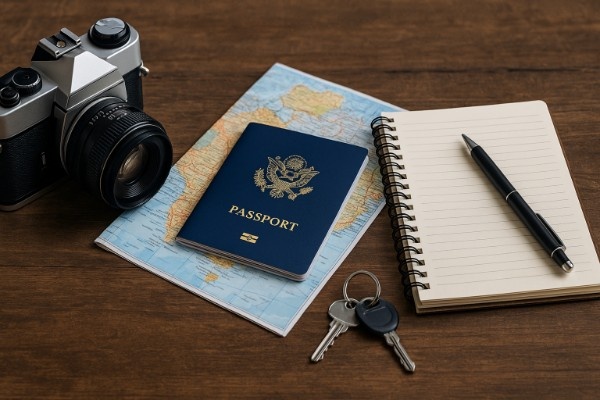
When planning a trip, most people focus on packing essentials, booking accommodations, and researching attractions. But there’s one aspect of travel that often gets overlooked—memorizing important numbers that can keep you safe, help in emergencies, and make your journey smoother.
In the age of smartphones and cloud backups, many travelers assume they can access everything digitally. But what if your phone dies, gets lost, or your SIM card stops working in a foreign country? That’s why memorizing a few key numbers can make a huge difference—possibly even saving your trip or life.
In this detailed guide, we’ll cover the top five numbers every savvy traveler should memorize before stepping foot on their next adventure. These aren’t just practical tips—they’re smart travel strategies that seasoned globetrotters swear by.
Why Memorizing Numbers Still Matters in a Digital World
Before we jump into the list, let’s answer the obvious question:
Why memorize anything when everything’s saved in your phone?
While smartphones, apps, and digital maps are a huge help, they also come with risks:
- Your phone could be lost, stolen, or damaged.
- SIM cards may not work immediately in new countries.
- Power outages or no charging access during travel.
- Internet access may be limited or unavailable.
This is where old-school memorization comes in handy. Knowing certain numbers by heart ensures you’re never completely helpless, even if your tech fails you.
Your Journey, Our eSIM
Stay online abroad with instant activation.
The 5 Numbers Every Savvy Traveler Should Memorize
1. Emergency Numbers of the Country You’re Visiting
Every country has its own emergency service numbers. In the U.S., it’s 911. But in Europe, it’s 112. In India, you dial 112 for emergencies too—but dialing 911 won’t get you help.
Why memorize it?
You can’t always count on Google or Siri when time is critical—especially if you’re in a panic. Having this number at the top of your mind can help you get assistance fast.
Example:
- USA & Canada: 911
- European Union: 112
- UK: 999 or 112
- Australia: 000 or 112
- Japan: 110 (Police), 119 (Ambulance/Fire)
- India: 112 (unified emergency number)
- China: 110 (Police), 120 (Ambulance), 119 (Fire)
Tip for Travelers:
Make a small card with emergency numbers of the countries you plan to visit and keep it in your wallet or passport holder. Better yet, memorize them for each leg of your trip.
2. Your Passport Number
While traveling internationally, your passport is your most important document. You’ll need the number for hotel check-ins, immigration forms, visa applications, lost passport reports, and sometimes even SIM card purchases.
Why memorize it?
If your passport gets lost or stolen, knowing the number can help in reporting the loss and speeding up the replacement process at your embassy.
What You Should Memorize:
- Passport number
- Date of issue
- Date of expiry
- Country of issue
These details are often required when dealing with embassies or local authorities. It’s also a great idea to take a photo of your passport and store it in a secure, encrypted cloud backup for reference—but again, memorizing the number keeps you a step ahead.
Tip:
Make a mental mnemonic or pattern to remember your passport number—it usually contains a mix of letters and numbers.
3. Your Home Contact Number (and One Backup Contact)
This might sound basic, but in a crisis, remembering a reliable contact person’s phone number can be your lifeline.
Why memorize it?
If you lose your phone or wallet, authorities or kind strangers may offer to let you call someone. But if you don’t know the number by heart, you’re stuck.
Your emergency contact should be:
- Someone who will always answer or call back quickly.
- Someone who knows your itinerary or has access to your travel plans.
- Ideally from your home country.
Also, memorize a secondary number, such as a trusted friend or colleague. In the event one person is unreachable, you have a backup.
Bonus Tip:
Inform your emergency contacts of your travel plans before leaving. Share your accommodation details, flights, and expected return dates.
4. Your Travel Insurance Policy Number and Emergency Assistance Line
Travel insurance is your safety net against lost luggage, medical emergencies, trip delays, and more. But when disaster strikes, do you know how to get help fast?
Why memorize it?
Your insurance company usually has a 24/7 emergency helpline for international travelers. If you’re hospitalized or involved in an accident, having your policy number and emergency number memorized can speed up claim processing and assistance.
What to Memorize:
- Insurance provider name
- Emergency assistance phone number (often toll-free or collect call)
- Policy number
- Coverage start and end date
Example:
- Allianz Travel: +1-804-673-1177 (Emergency Assistance)
- World Nomads: Emergency numbers vary by country
- AXA Assistance: +44-1737-815123 (Global helpline)
Travel Tip:
Add a printed copy of your insurance summary in your daypack. But also commit the key details to memory—you’ll thank yourself later.
5. Your Bank’s Lost Card Helpline or Local Number Abroad
Lost or stolen debit/credit cards are one of the most common travel nightmares. You may need to freeze or block your card quickly, and for that, you need to contact your bank.
Why memorize it?
Even if you have international roaming or an eSIM with data, many banks require identity verification before taking action. Having your customer ID or card details handy (not stored insecurely!) plus the lost card hotline number can help immediately stop fraud.
What to Memorize:
- Bank’s international helpline
- Last four digits of your card
- Banking username or customer ID (if applicable)
Example:
- Chase Bank (USA): +1-302-594-8200
- HSBC (Global): +44-1226-261-010
- ICICI Bank (India): +91-22-3366-7777
- ANZ (Australia): +61-3-9683-9999
Most banks also allow collect calls from abroad, so even if you’re low on funds or phone credit, you can still reach out.
BONUS: Other Useful Numbers to Know
Although the above five are essential, here are a few honorable mentions worth memorizing:
- Local Embassy or Consulate Number – In case of legal trouble, lost passport, or major emergencies.
- Hotel Front Desk or Accommodation Host – Especially useful if you’re lost or need directions.
- Airline Customer Service – In case of last-minute cancellations or rescheduling.
- Local Taxi or Ride-Share Helpline – For safe pickups or complaints.
- eSIM or SIM Card Provider’s Support Number – If your connectivity goes down.
Pro Travel Tip: Use an eSIM for Safe & Instant Connectivity
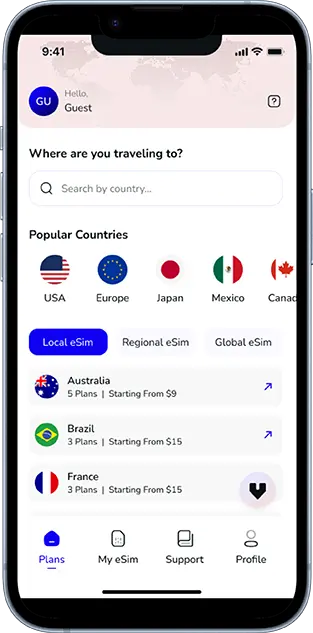
If you’re traveling internationally, consider using an eSIM for easy internet access, especially when navigating new places or handling emergencies. eSIMs eliminate the need to hunt down a local SIM store or swap cards, and they’re perfect for digital nomads and globetrotters.
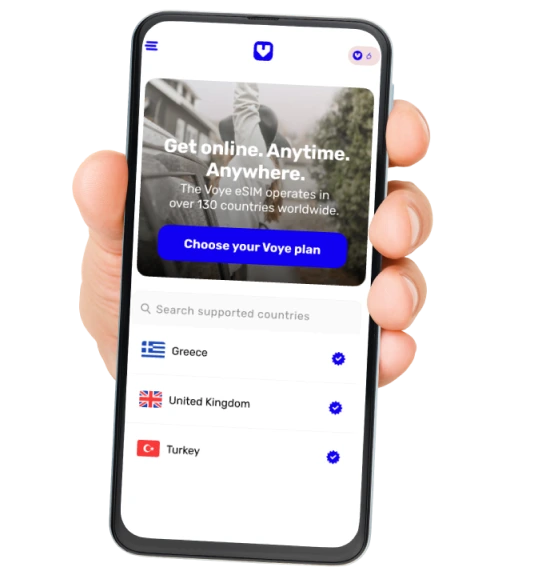
Providers like Voye Global offer affordable data plans in 130+ countries with seamless activation. Just scan the QR code, install, and you’re connected in minutes.
With a working eSIM, accessing saved data or reaching emergency contacts becomes easier—even when you’re in a different country or time zone.
Final Thoughts: Don’t Just Pack Smart—Travel Smart
Being a savvy traveler is about being proactive, not reactive. Memorizing key numbers isn’t about ditching tech—it’s about having a safety net when tech fails.
Here’s a quick recap of the 5 essential numbers you should memorize:
- Emergency numbers of your destination country
- Your passport number and issue/expiry details
- At least two emergency contact phone numbers
- Your travel insurance emergency line and policy number
- Your bank’s lost card helpline and card ID details
Add these to your pre-trip checklist. Practice recalling them a few times, and you’ll be better prepared than 90% of travelers out there.
Because in travel, being prepared isn’t paranoid—it’s powerful.
Global Coverage, Local Rates
Experience hassle-free connectivity wherever you go.
Seamless Mobile Data Everywhere













 English